
- Versatile: Handle a wide range of round objects.
- Easy Setup: Place the object on the rollers, align it, and you’re ready to engrave.
- Fast Workflow: Perfect for production runs of cups or bottles.
- Consistent Results: The smooth rolling motion gives even engraving across the surface.
Roller vs. Chuck: Laser Showdown!
When it comes to cylindrical engraving, the type of rotary you use can make all the difference. Roller and chuck rotaries each have their strengths, and the right choice depends on what you’re engraving. Let’s break down the differences so you know which one to use for your next project.
Roller Rotaries
Roller rotaries use a set of wheels to spin your object during engraving. They’re quick to set up and great for everyday jobs like tumblers, bottles, and glasses.
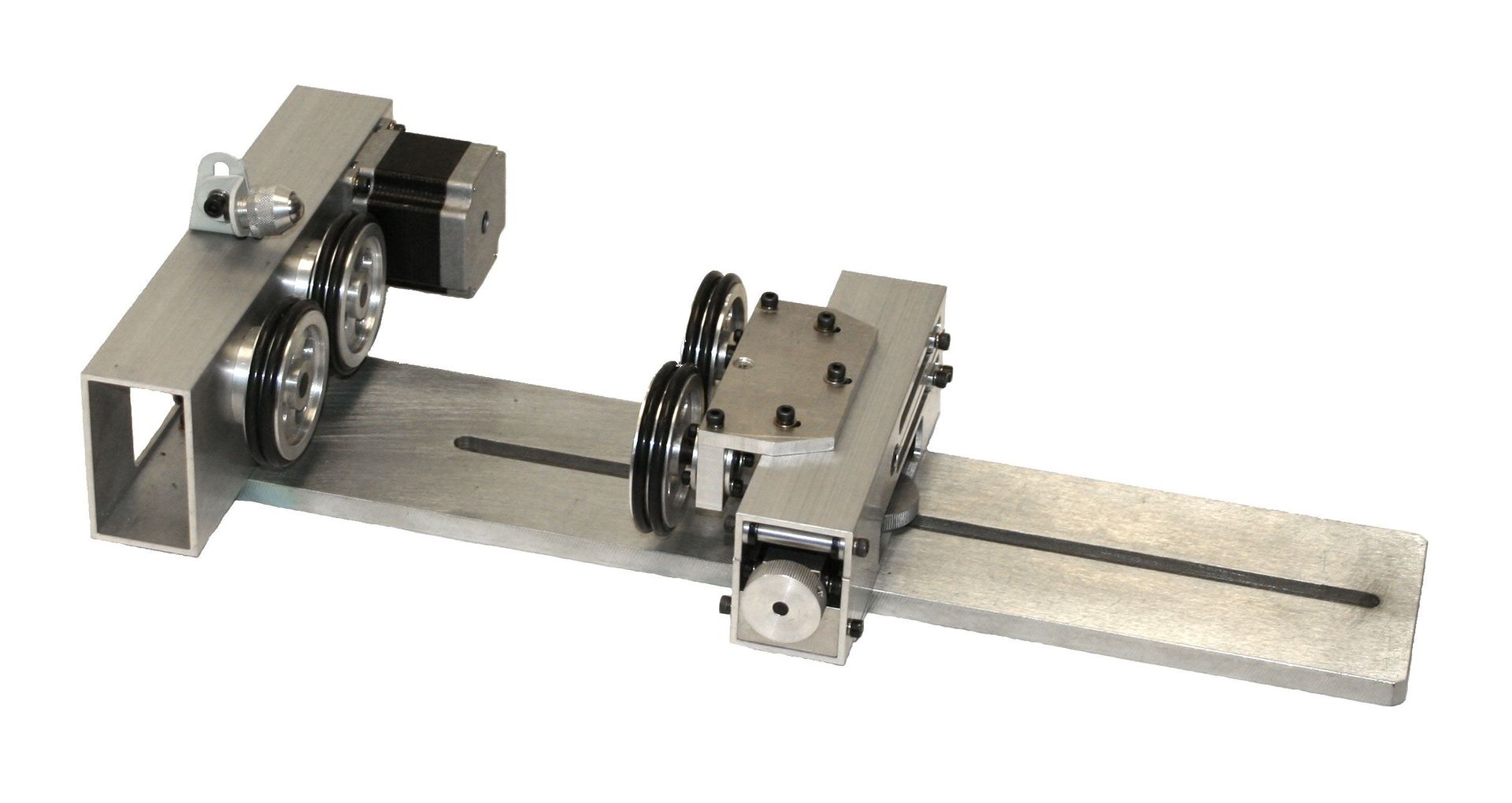
Advantages of Roller Rotaries
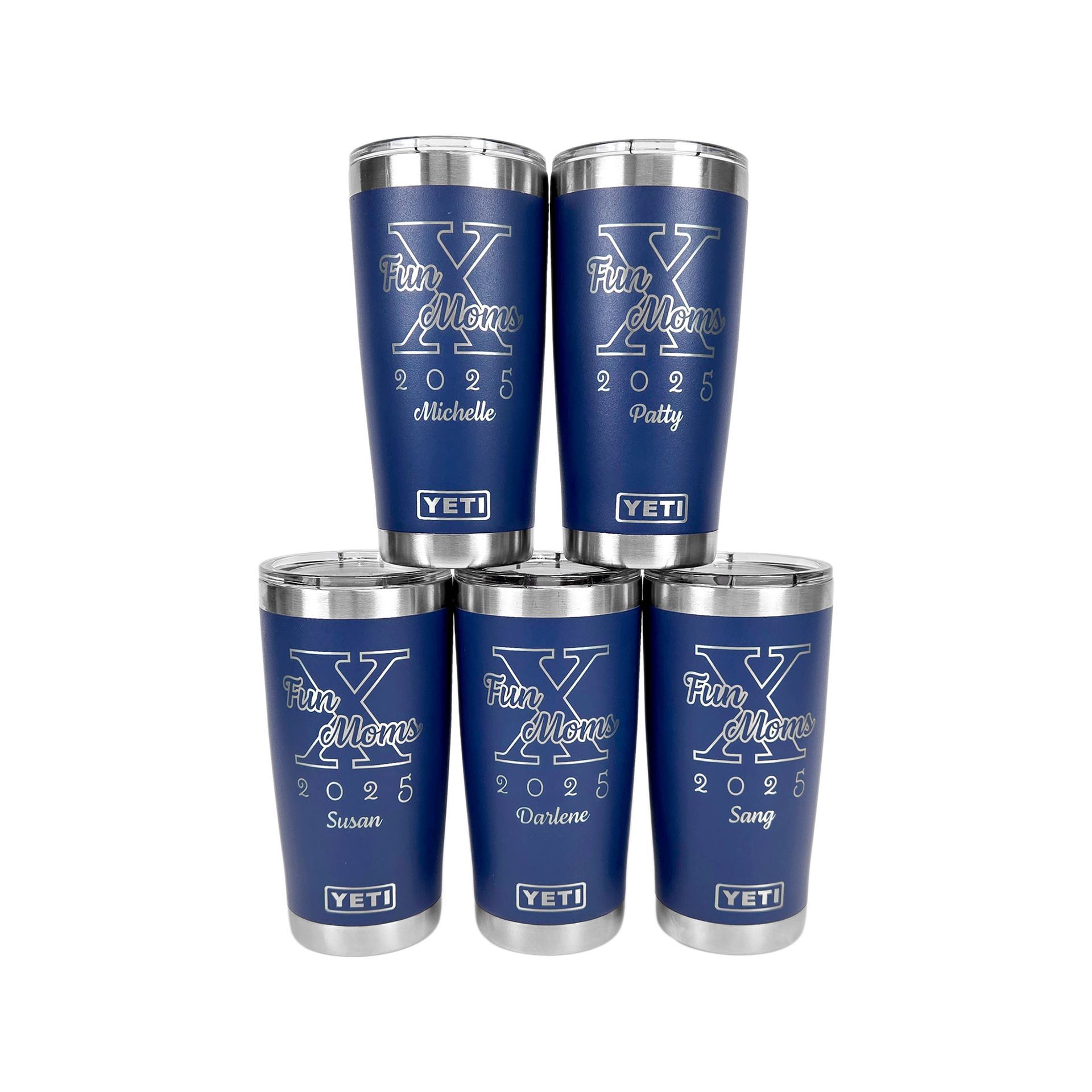
Best For: Standard tumblers, water bottles, and objects without handles.
Chuck Rotaries
Chuck rotaries grip your object with a clamp, much like a lathe. This makes them ideal for items that can’t sit securely on rollers, or when you need precise alignment.
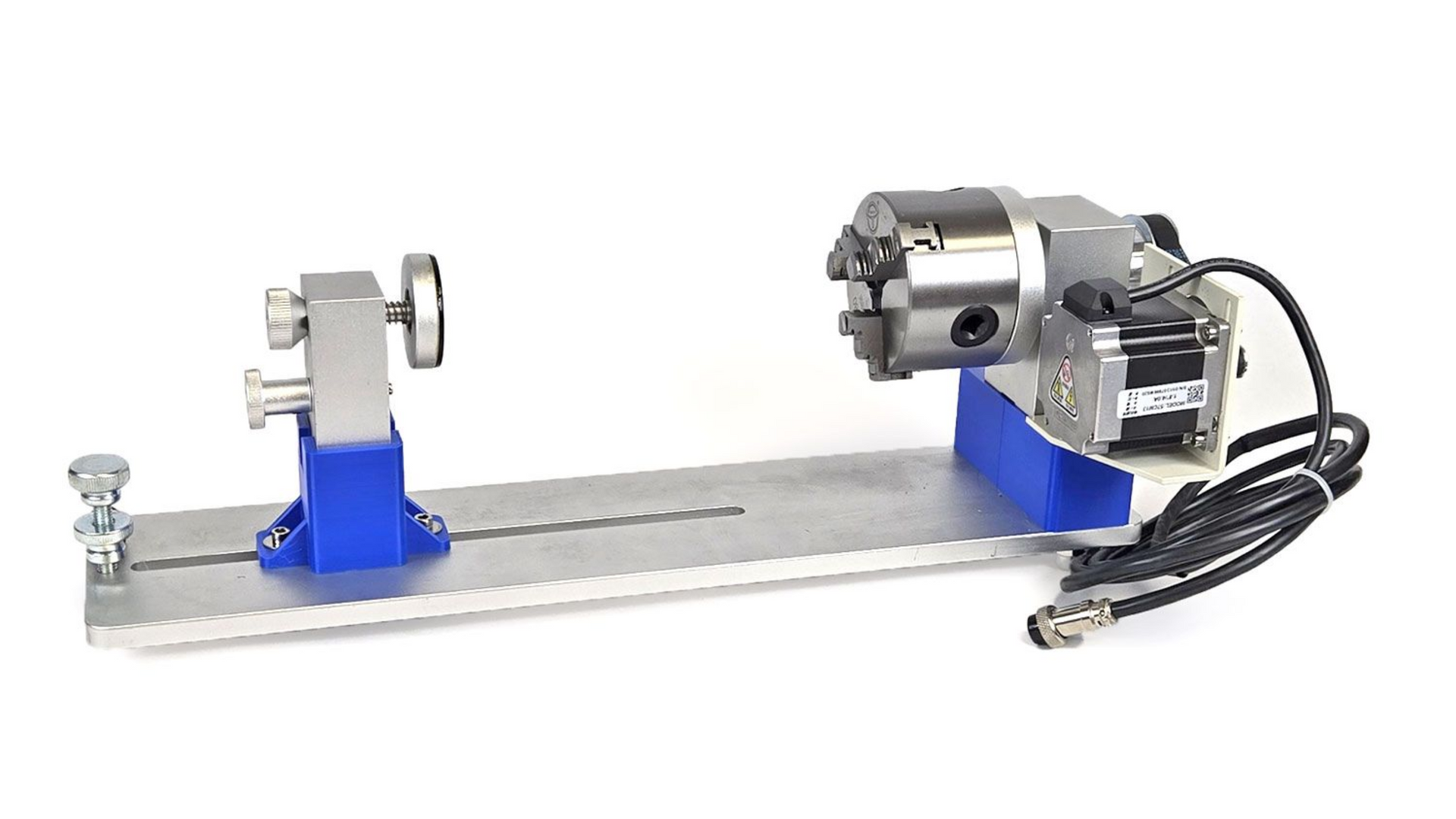
Advantages of Chuck Rotaries
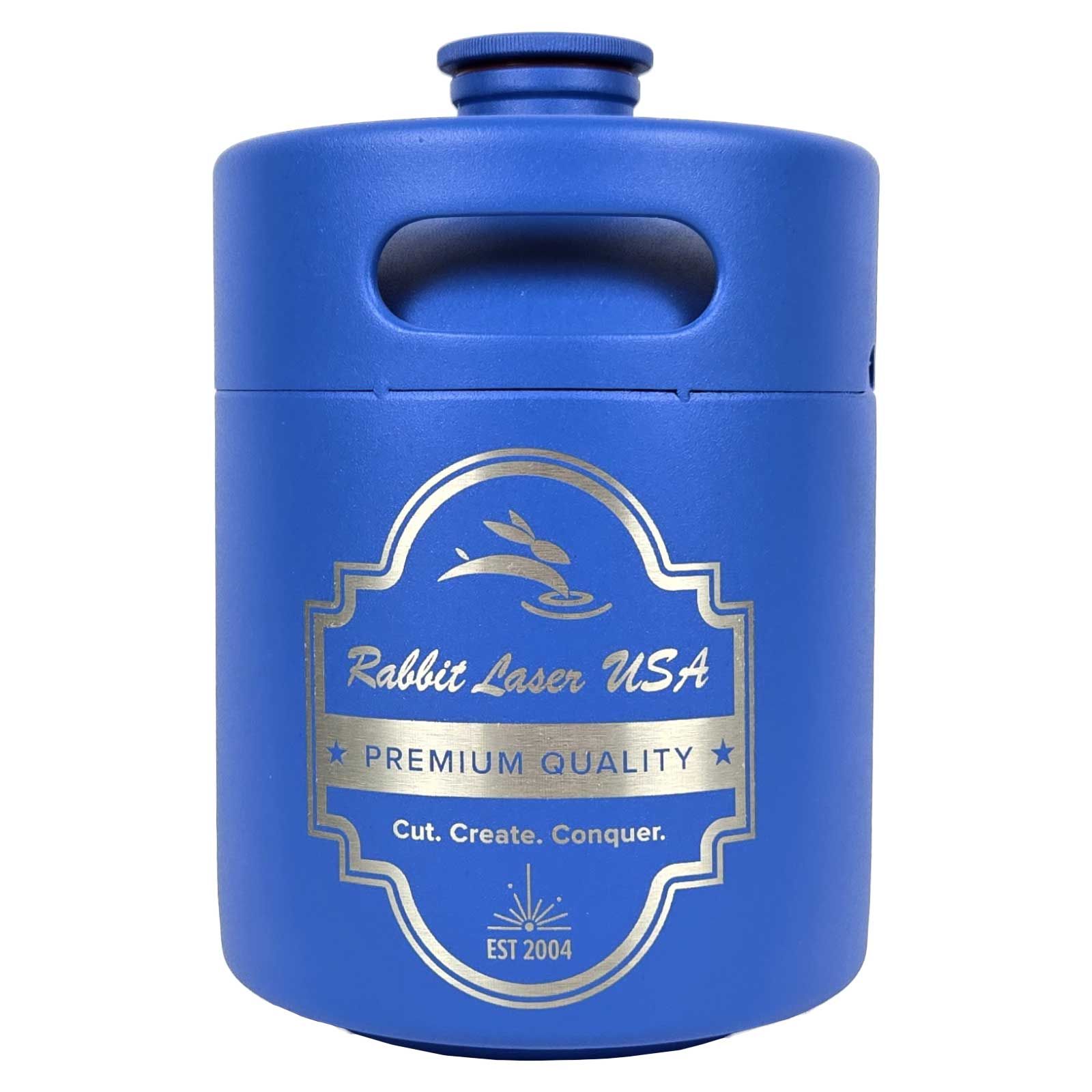
- Secure Hold: No slipping, even on odd shapes.
- High Precision: Great for detailed designs or full-wrap engravings.
- Works with Handles: Perfect for mugs, steins, or anything a roller can’t balance.
- Durable: Built for long-term reliability.
Best For: Mugs with handles, irregular shapes, and projects that need exact placement.
Which One Should You Choose?
- Go with a roller if you’re engraving a lot of tumblers, bottles, or simple cylinders.
- Pick a chuck if you’re working with mugs, need exact alignment, or want to engrave irregular shapes.
Some laser owners keep both on hand — using rollers for speed and chucks for tricky jobs.
Final Thoughts
Both
roller and
chuck rotaries expand what’s possible with your
CO2 laser. The best choice depends on your projects, but either one will take your engraving beyond flat surfaces. If you’re just starting out, try a roller for everyday use, then add a chuck when you’re ready for more complex work. 🐰
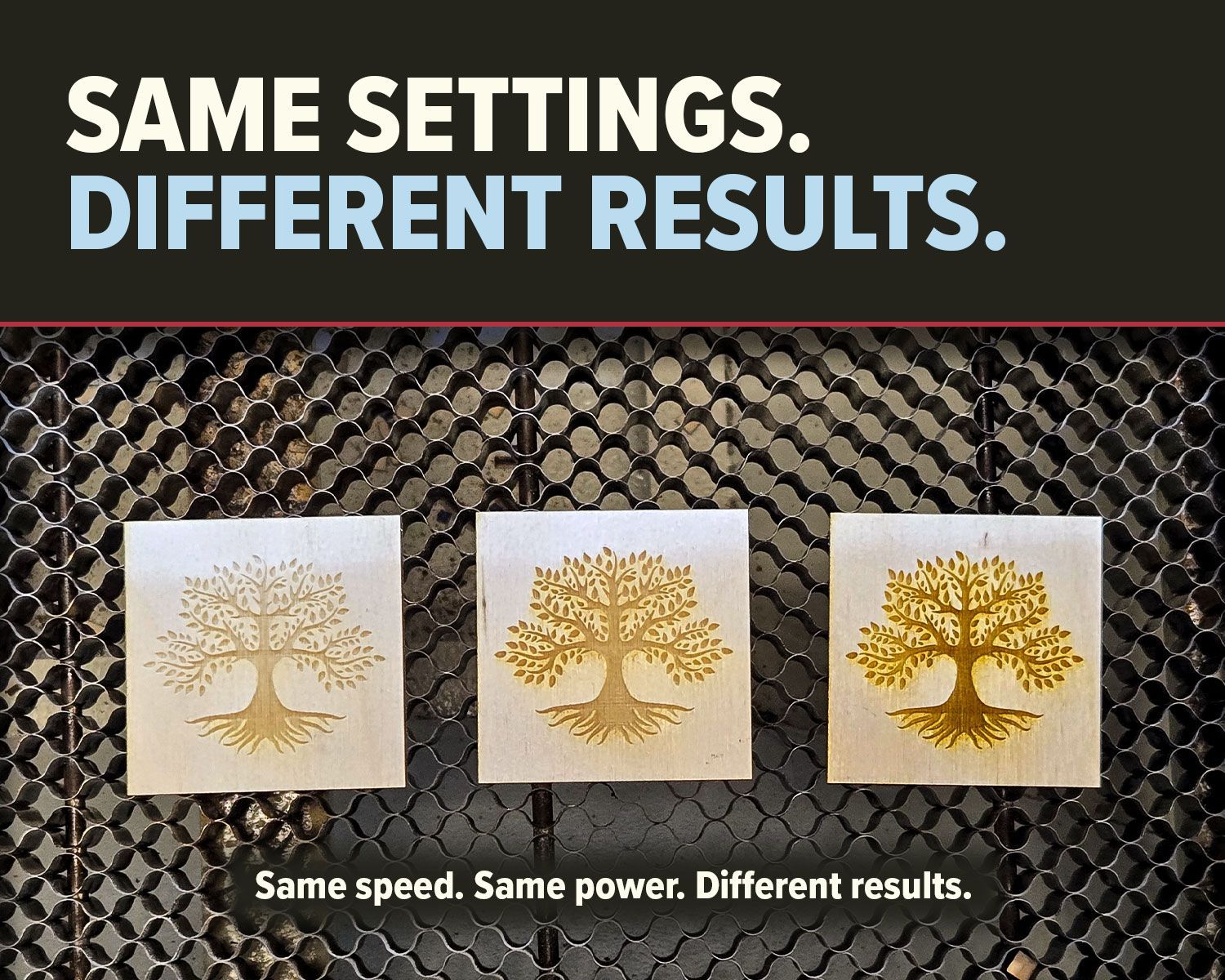
Why do identical CO2 laser settings produce different results? Learn how speed, power, material, focus, optics, and air assist affect cutting and engraving.
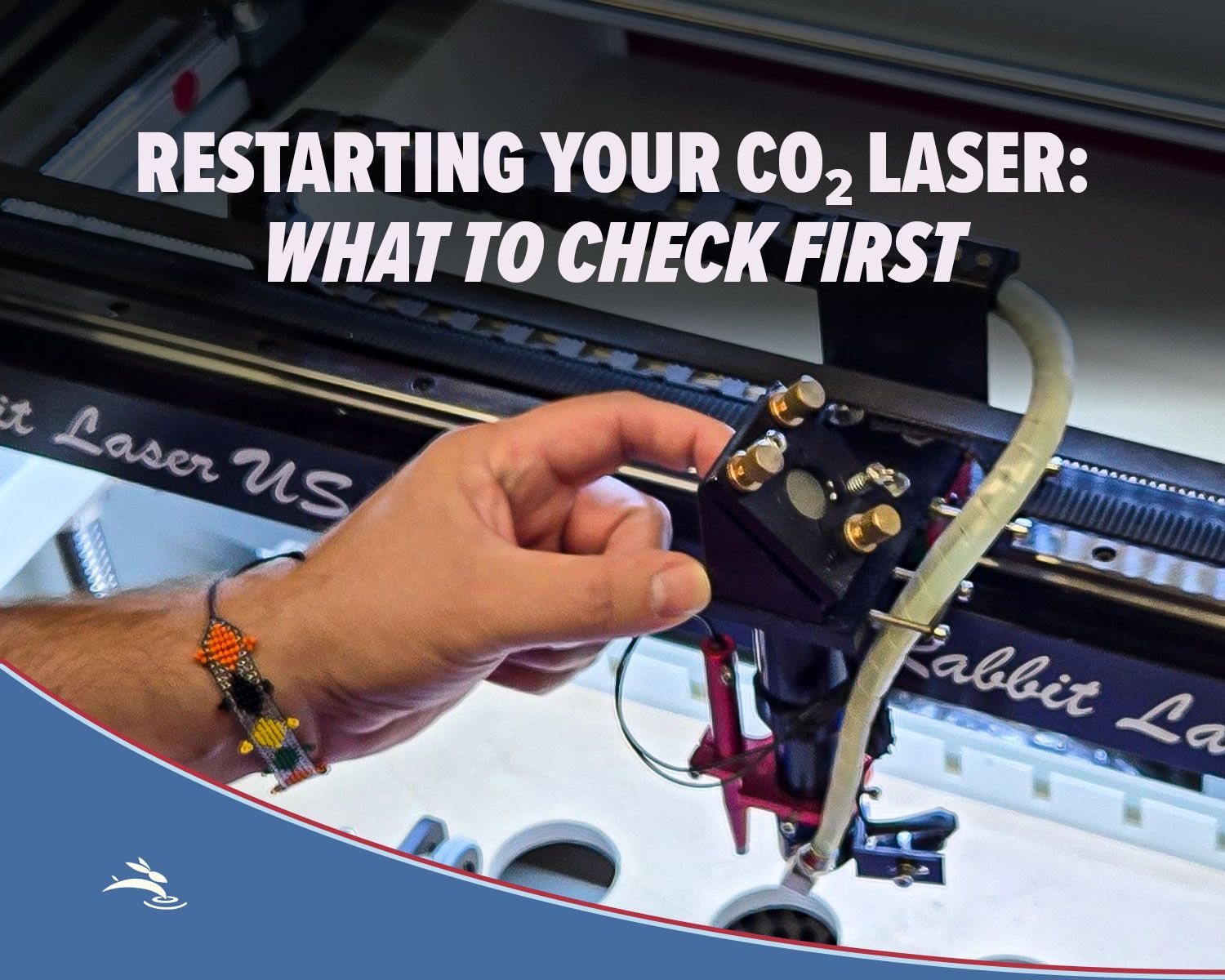
Has your CO₂ laser been sitting unused? Check cooling, optics, exhaust, air assist, movement, and more before running your first job.
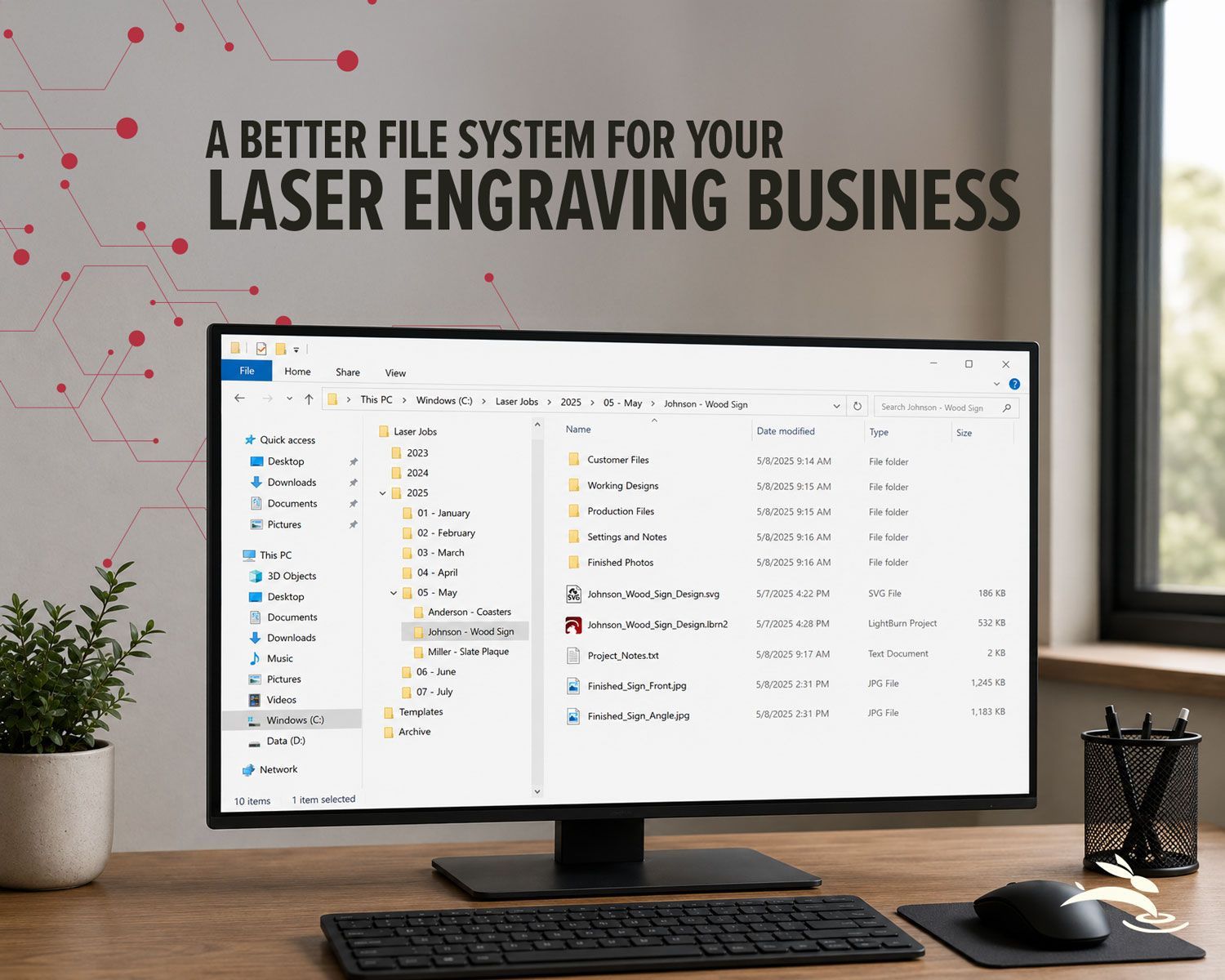
Organize your laser engraving files with a simple folder system that makes repeat orders faster, reduces mistakes, and protects customer artwork.
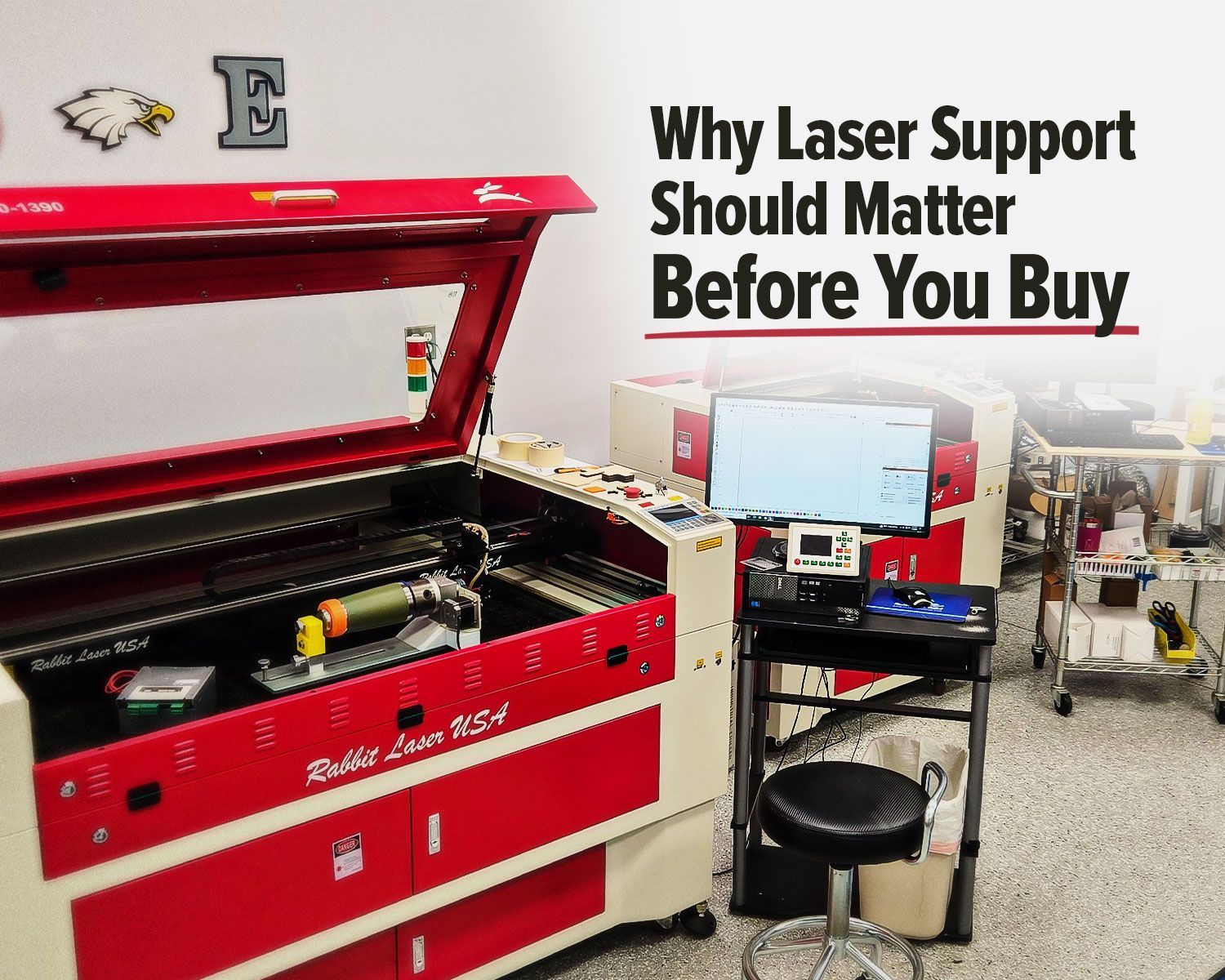
Rabbit Laser USA CO2 laser with support workstation for troubleshooting.
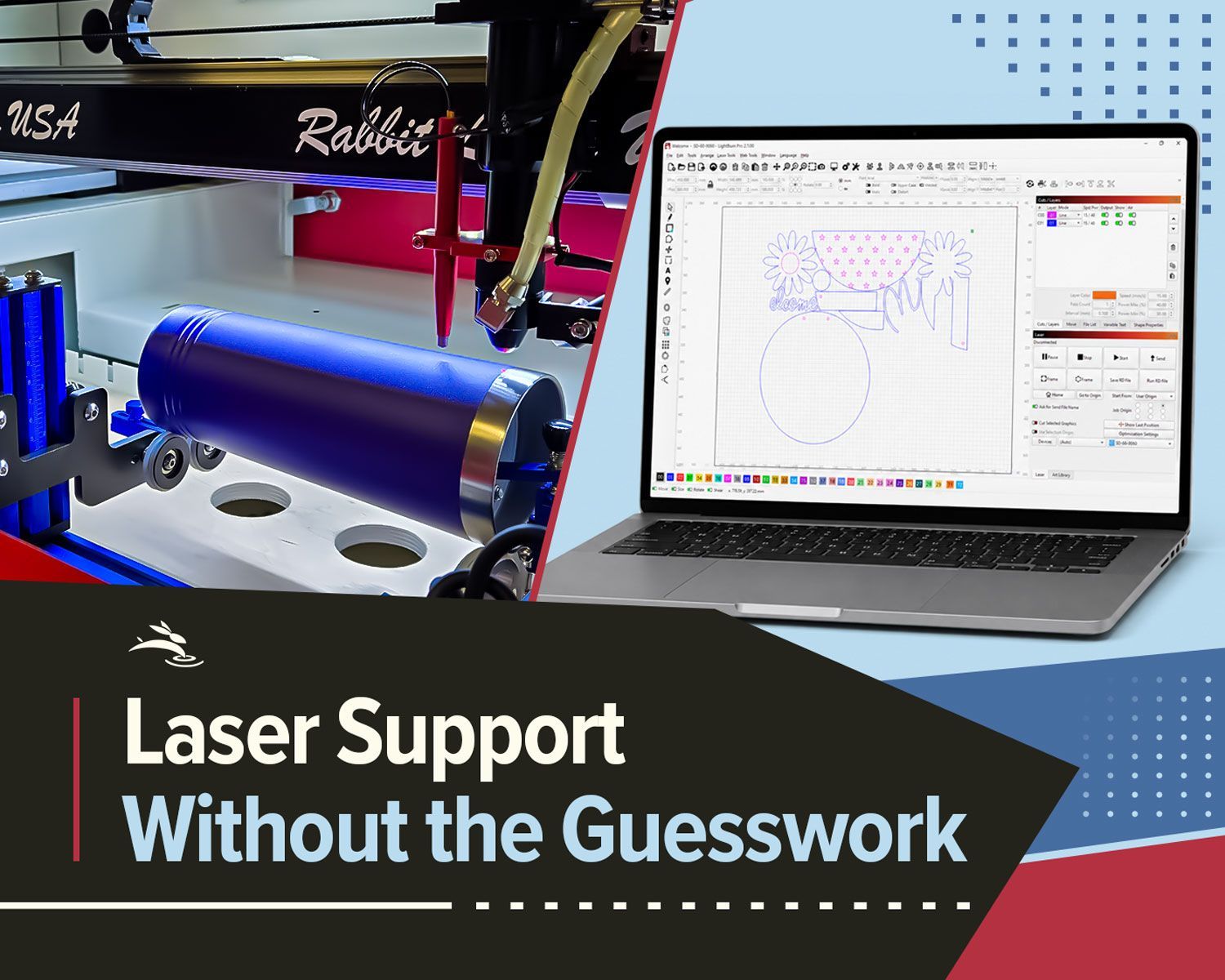
Remote laser support can help with software, settings, troubleshooting, alignment, parts questions, and service needs.
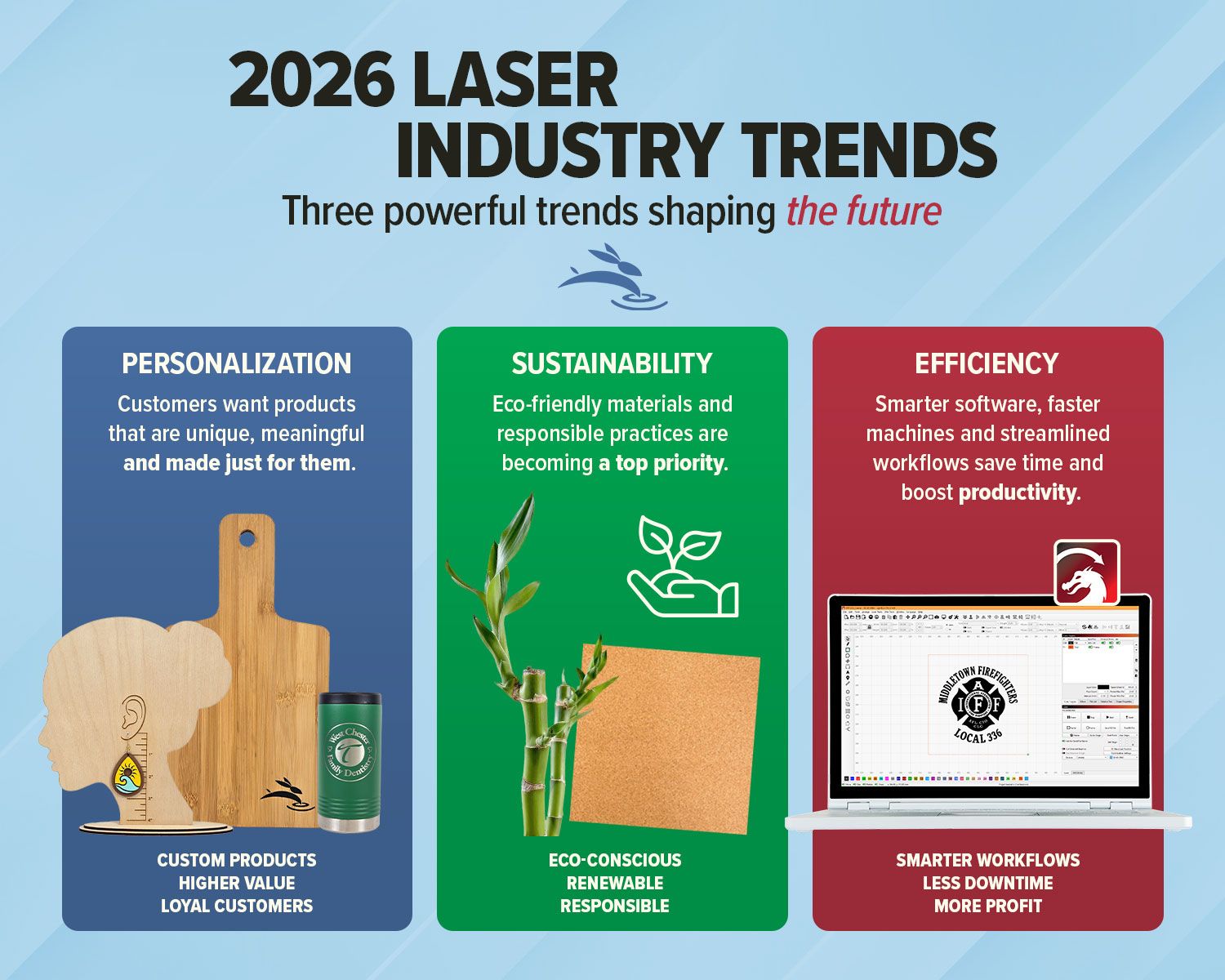
Explore 2026 laser engraving trends, including custom products, eco-friendly materials, efficient workflows, and business growth ideas.
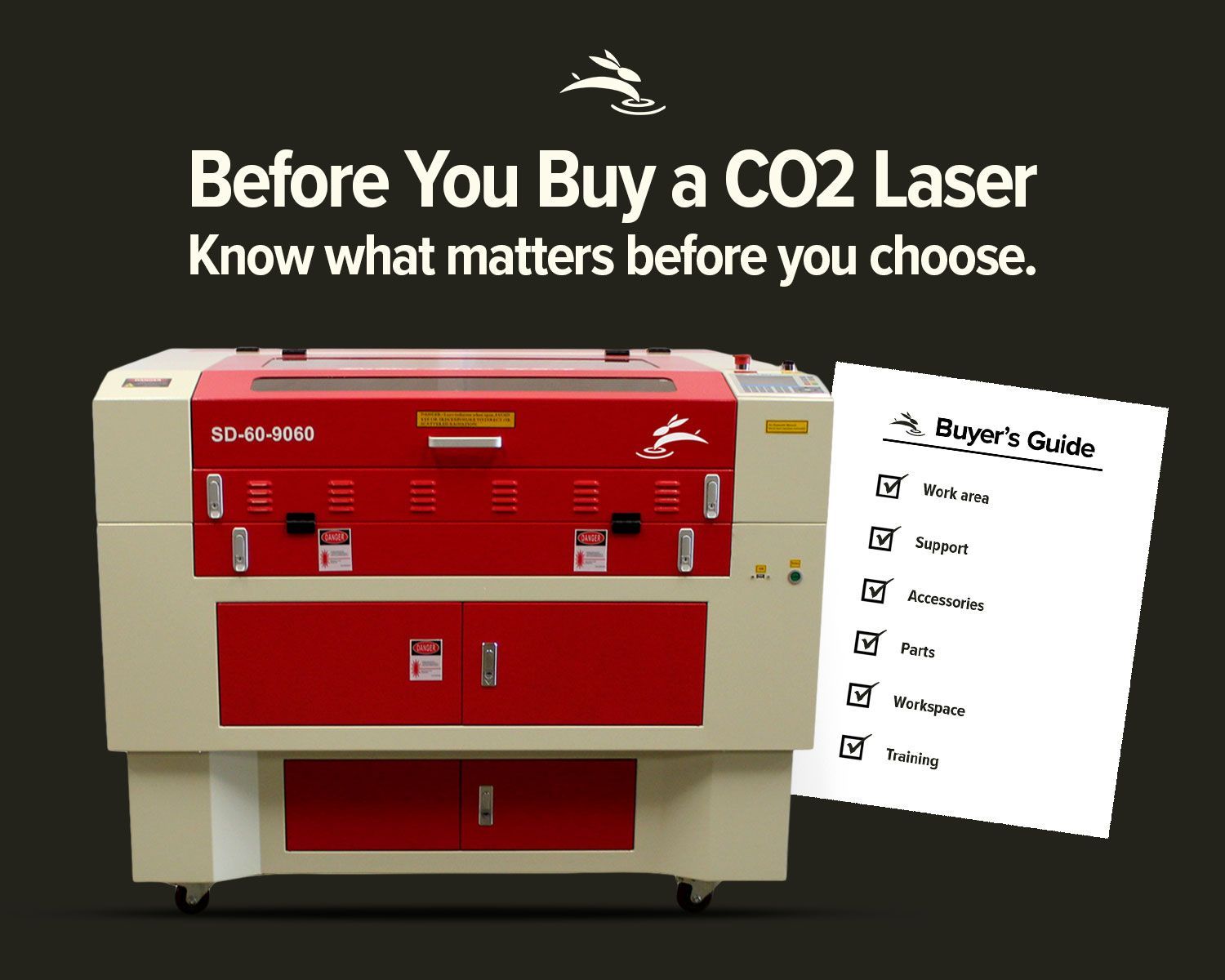
Avoid common CO2 laser buying regrets. Learn what to know about size, support, parts, accessories, setup, and long-term value before you buy.
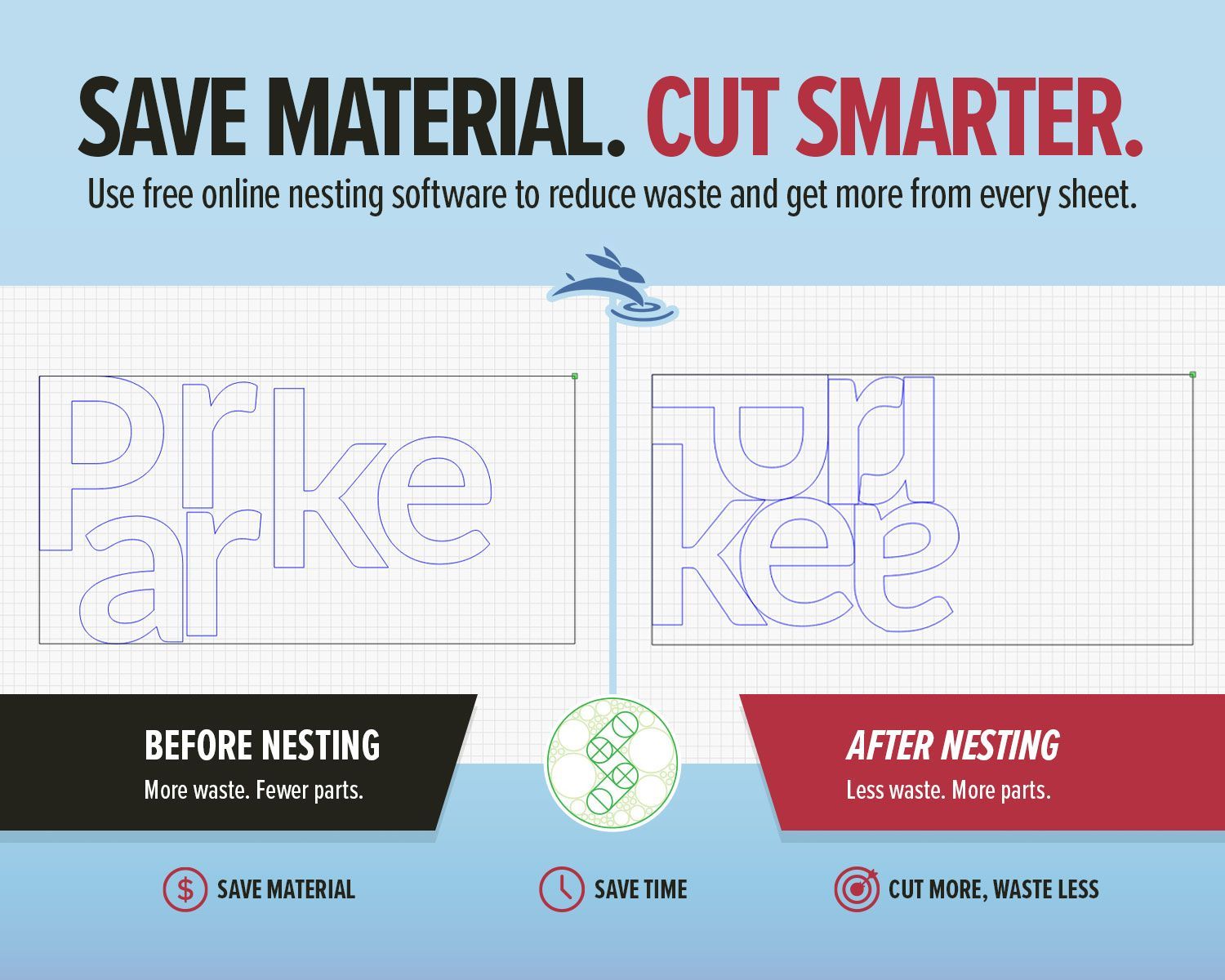
Use free online nesting software like SVGnest to arrange laser cutting files, reduce material waste, and improve your LightBurn workflow.
New to laser engraving or cutting? Avoid common mistakes that cause poor results, wasted material, and frustration. Learn what to fix fast.
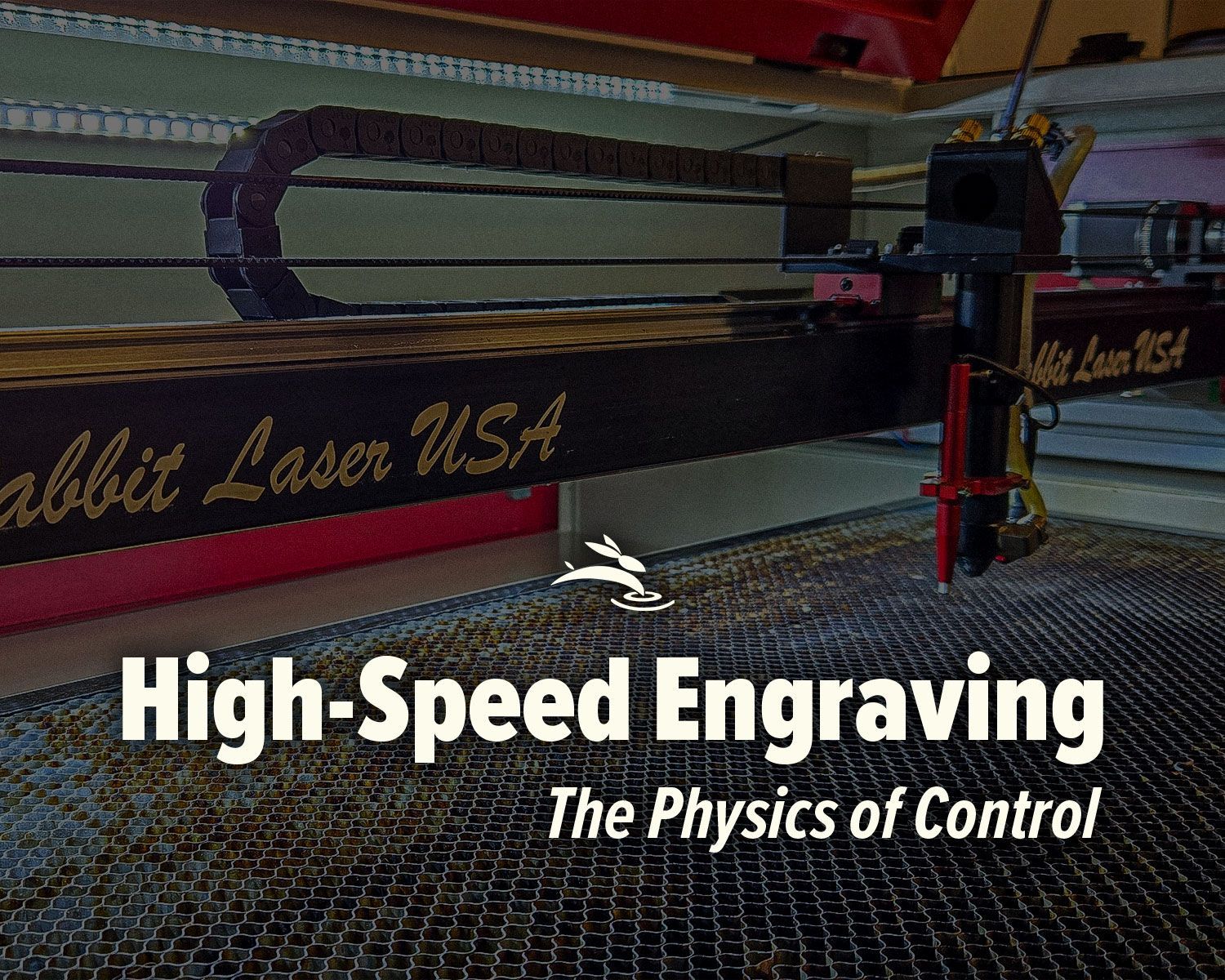
High-speed laser engraving demands motion control. Learn how overscan, acceleration, and momentum impact precision and usable workspace.
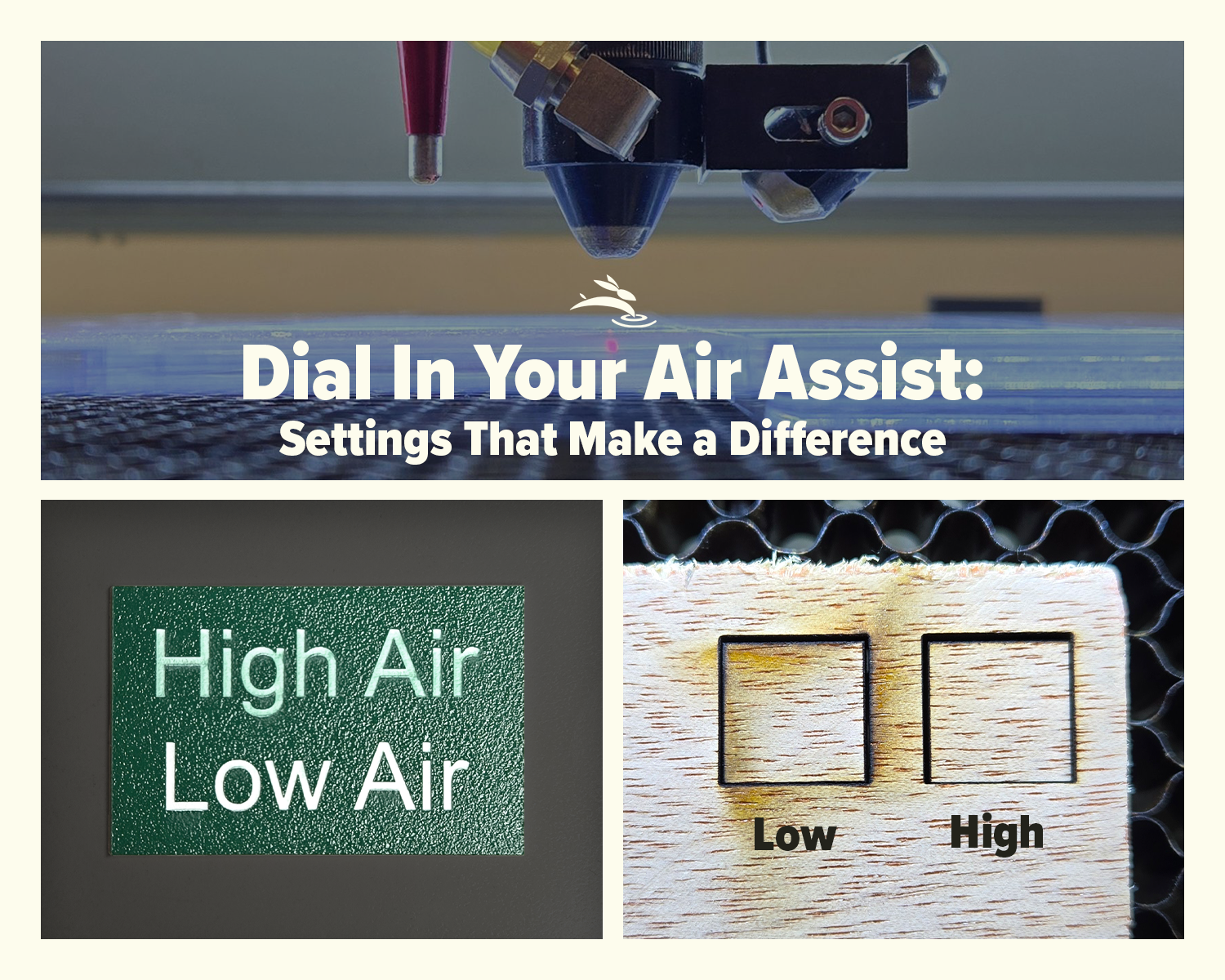
Learn how air assist settings affect laser cutting and engraving, including cleaner cuts, less smoke, better edge quality, and improved project results.
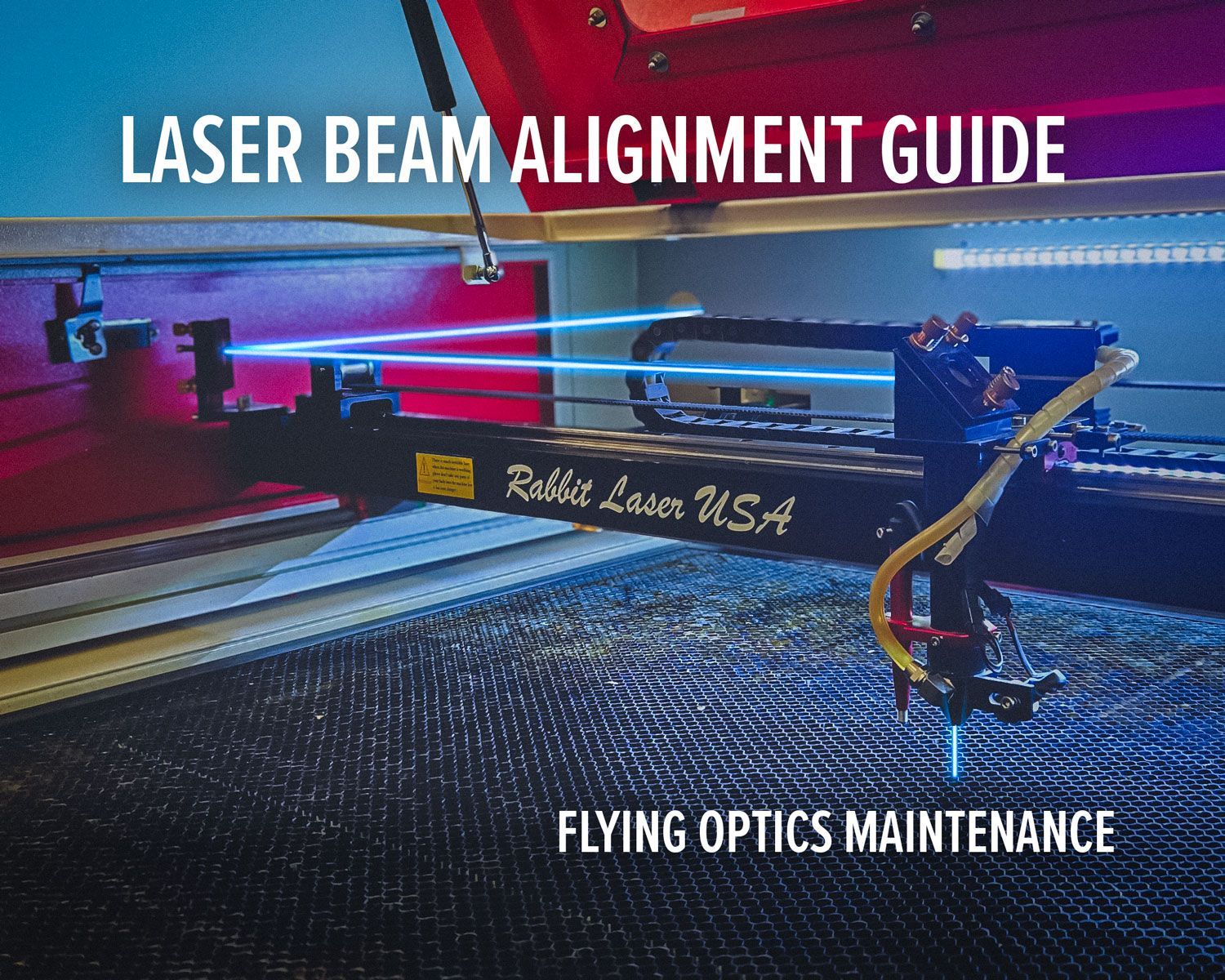
Laser beam alignment guide for flying optics laser machines. Step-by-step maintenance tutorial to restore accuracy, cutting power, and engraving performance.