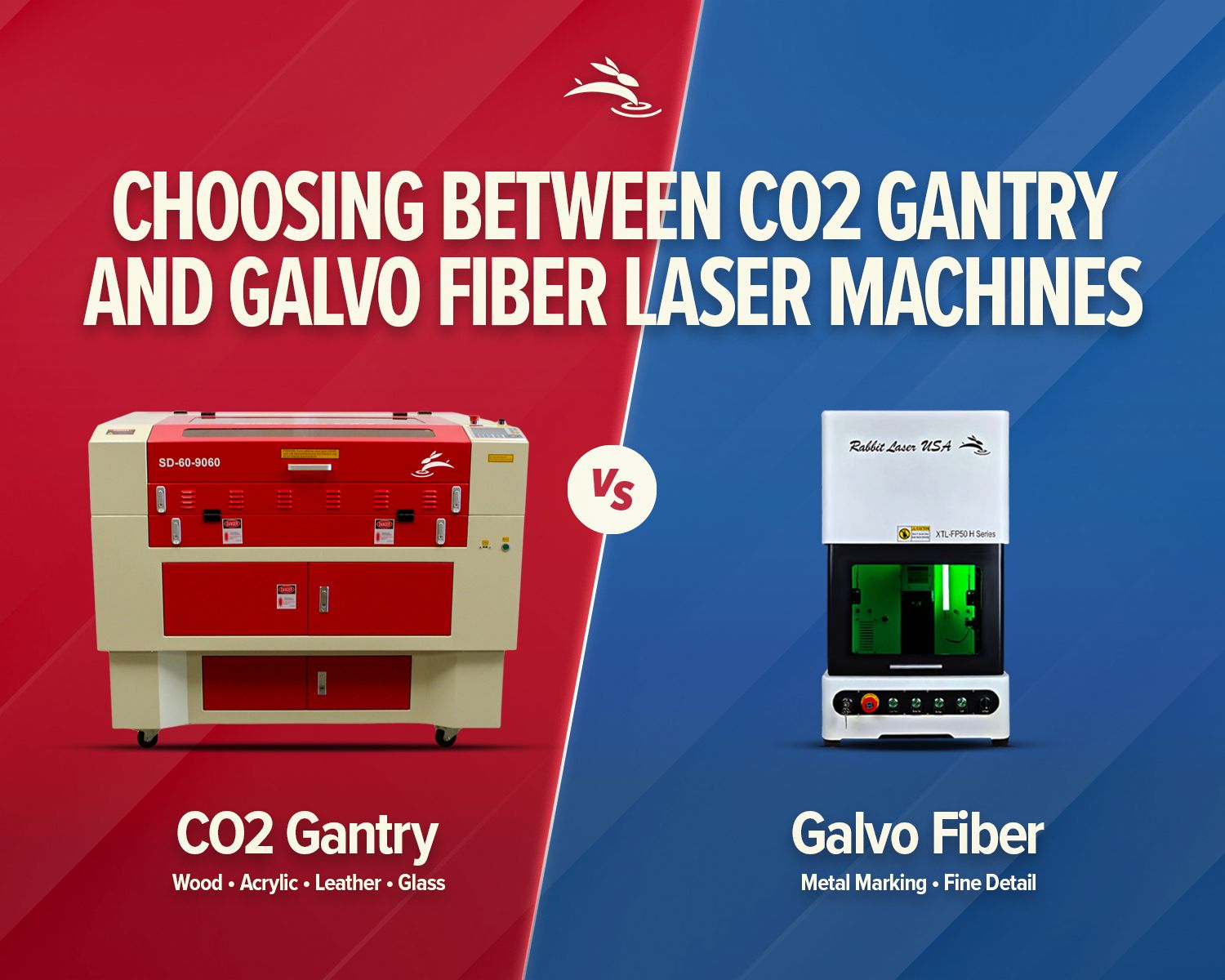
Choosing Between CO2 Gantry and Galvo Fiber Laser Machines
When you start looking at laser machines, it is easy to get buried in specs, wattage, bed sizes, lens options, software, and machine styles.
That can make the decision feel bigger than it needs to be.
The best place to start is simple:
What do you want to make?
That one question usually points you in the right direction. CO2 gantry laser machines and galvo fiber laser machines are both powerful tools, but they are built for very different types of work.
A CO2 gantry laser is usually the better choice for cutting and engraving larger materials like wood, acrylic, leather, glass, paper, fabric, and many plastics.
A galvo fiber laser is usually the better choice for fast, detailed marking on metals and some plastics.
Both machines can be great investments. The key is choosing the one that matches your material, your workflow, and the kind of projects you plan to run most often.
CO2 Gantry Laser Machines
A CO2 gantry laser uses a moving laser head that travels across a larger work area. This makes it a great fit for cutting and engraving flat materials, larger pieces, and multiple items in one job.
CO2 gantry lasers are commonly used by small businesses, schools, makers, sign shops, gift shops, and production-focused users who need flexibility.
Common CO2 laser projects include:
- Wood signs
- Acrylic displays
- Cutting boards
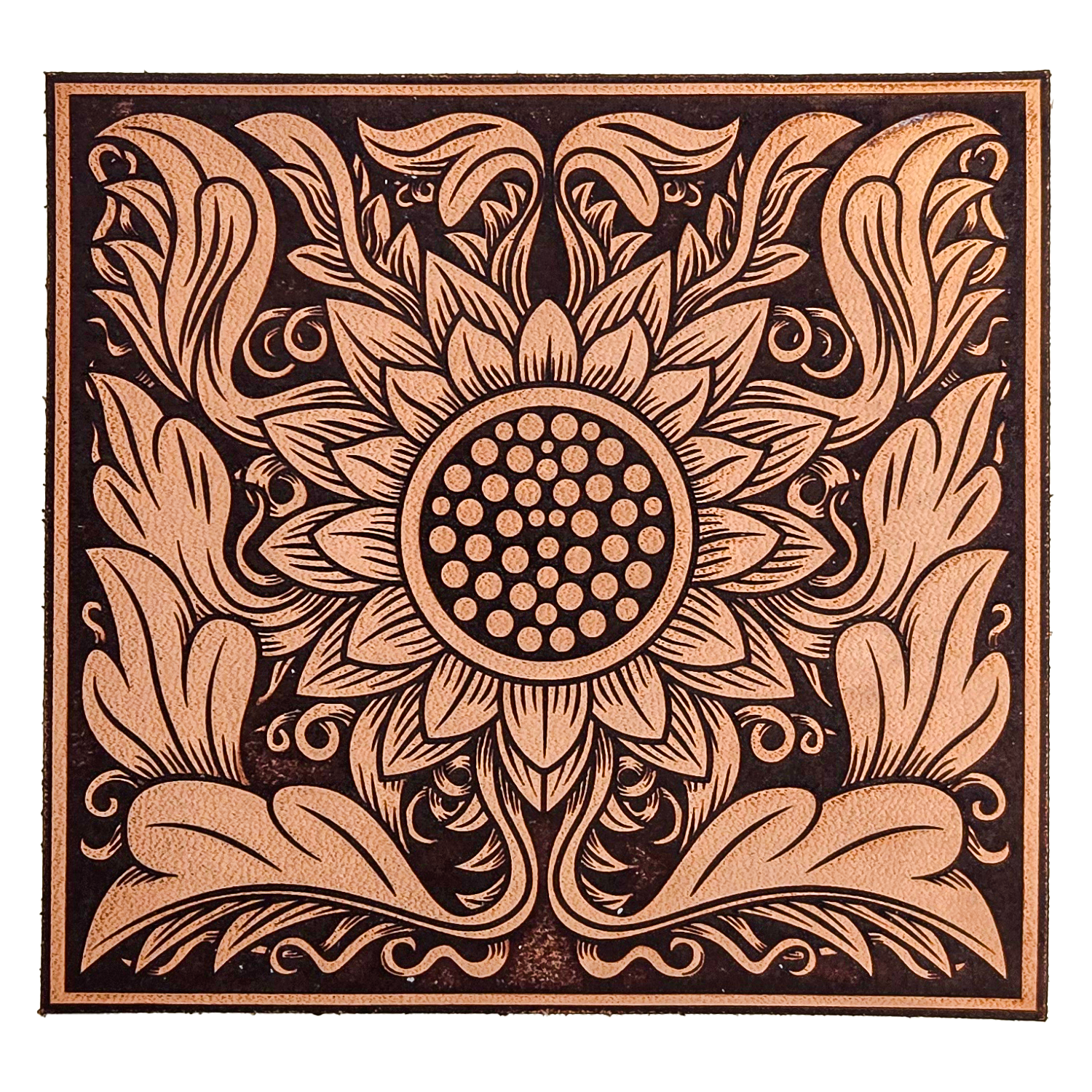
- Leather patches
- Glass engraving
- Fabric cutting
- Paper and cardstock projects
- Awards and plaques
- Custom gifts
- Classroom and makerspace projects
If your work involves wood, acrylic, leather, glass, fabric, paper, or larger project layouts, a CO2 gantry laser is usually the better starting point.
Strengths of CO2 Gantry Laser Machines
Larger Work Area
One of the biggest advantages of a CO2 gantry laser is bed size. The larger work area allows you to process bigger materials or run several smaller items at once.
That is helpful when you are making signs, cutting acrylic parts, engraving batches of products, or trying to keep production moving.
Instead of engraving one item at a time, you can often set up a full sheet or multiple blanks and let the machine work through the layout.
Cutting and Engraving Flexibility
CO2 lasers are well known for their ability to both cut and engrave many non-metal materials.
They are a strong choice for:
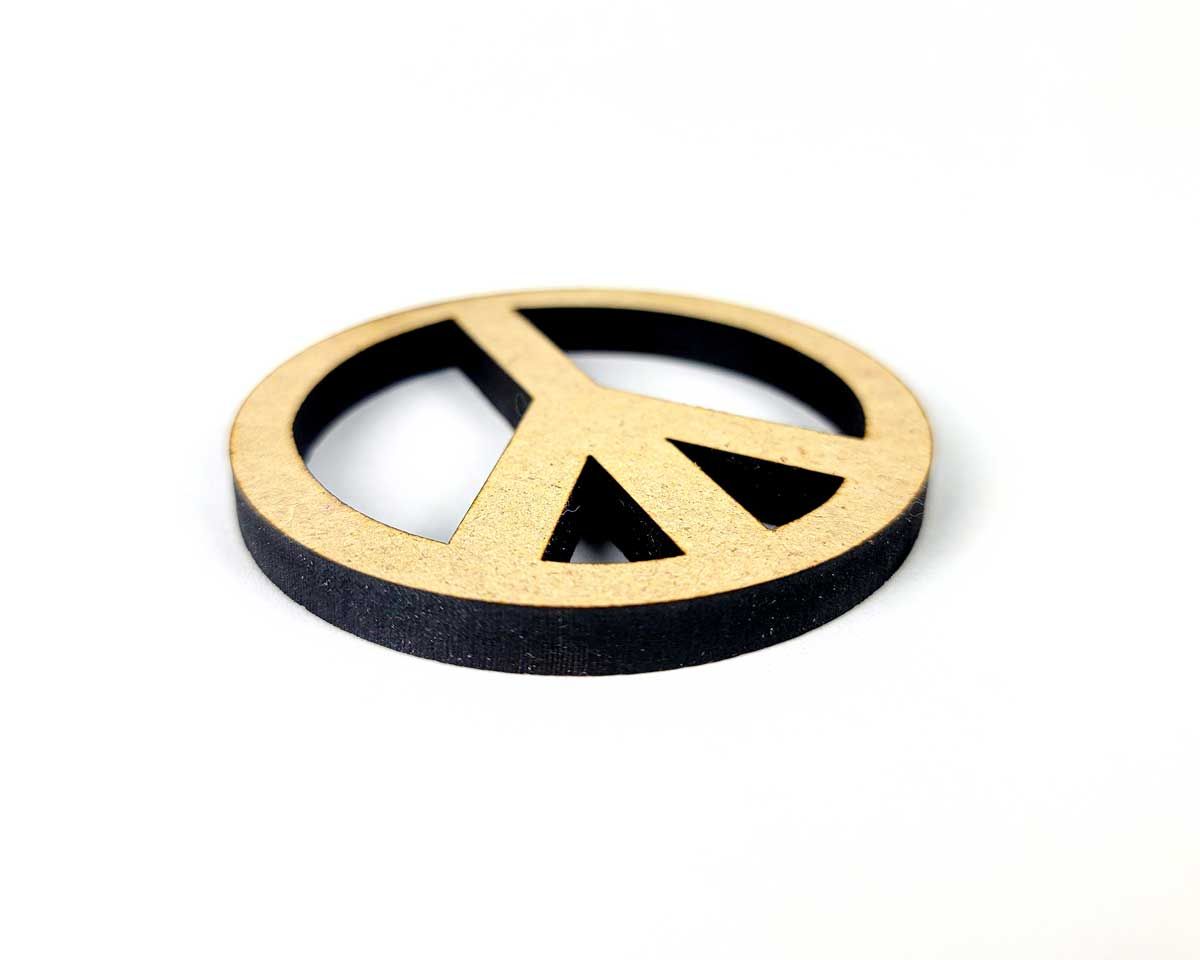
- Cutting wood shapes
- Cutting acrylic letters
- Engraving cutting boards
- Etching glass
- Cutting leather goods
- Making layered signs
- Creating templates and jigs
- Producing custom gifts
If you want one machine that can handle a wide variety of creative and business projects, a CO2 gantry laser gives you a lot of room to work.
Great for Product Variety
Many users choose a CO2 laser because they do not want to be locked into one type of product.
One week you may be engraving bamboo cutting boards. The next week you may be cutting acrylic business cards, making leather earrings, or producing custom ornaments.
That kind of variety is where a CO2 gantry laser earns its place in a shop.
Things to Consider With CO2 Gantry Lasers
A CO2 laser is not the best choice for bare metal marking. It can mark certain coated metals or treated surfaces, but if your main goal is marking stainless steel, brass, aluminum, tools, tags, serial numbers, or industrial parts, a fiber laser is usually the better fit.
CO2 machines also require routine care. Mirrors, lenses, alignment, exhaust, air assist, and the chiller all matter.
That should not scare you away. It just means a CO2 laser works best when the full system is set up correctly and maintained properly. Kind of like owning a good shop tool: take care of it, and it will take care of you.
Galvo Fiber Laser Machines
A galvo fiber laser is built for speed, fine detail, and marking metals.
Instead of using a moving gantry head, a galvo fiber laser uses fast-moving mirrors to direct the laser beam across a smaller marking field. That design makes it extremely fast for detailed work.
Galvo fiber lasers are commonly used for:
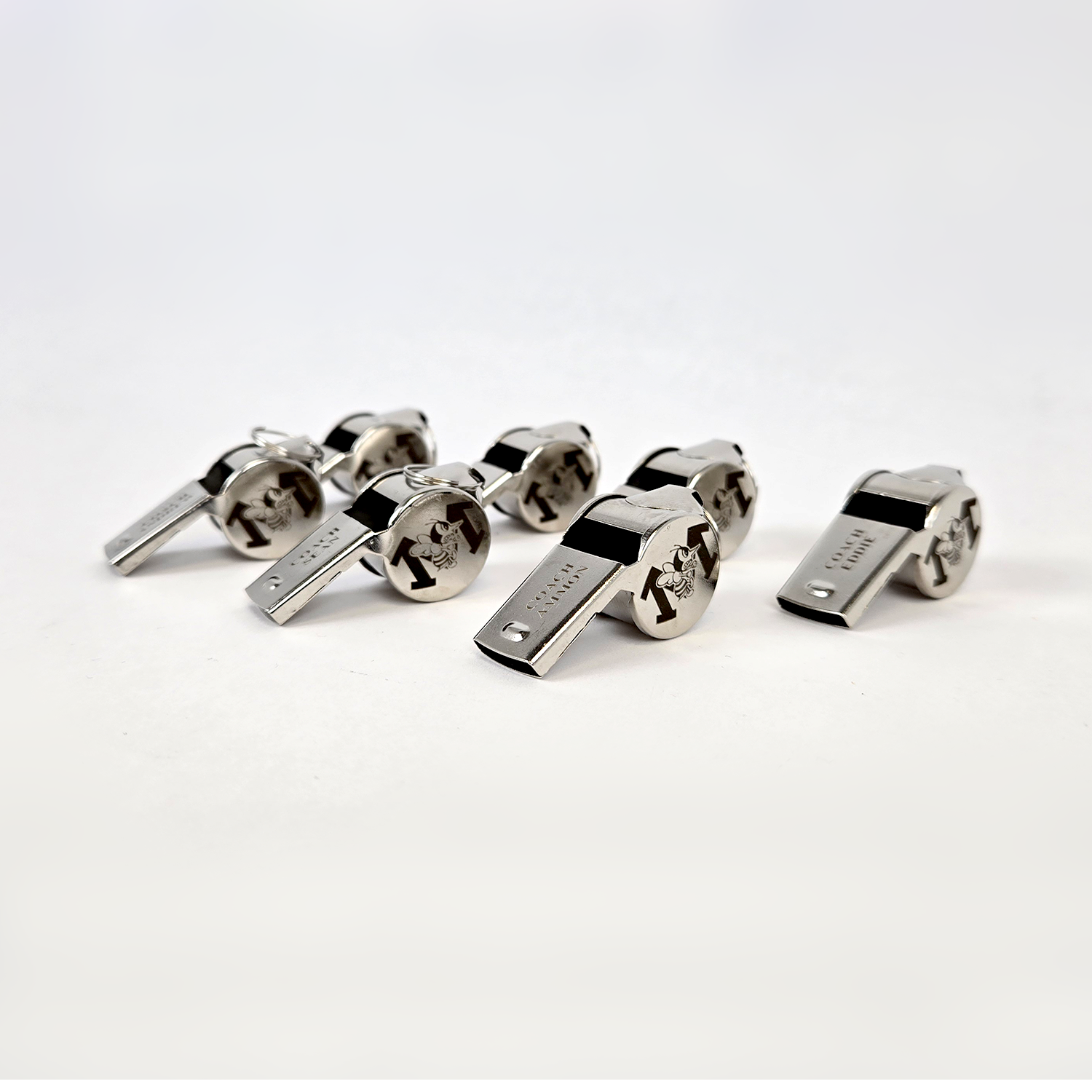
- Stainless steel marking
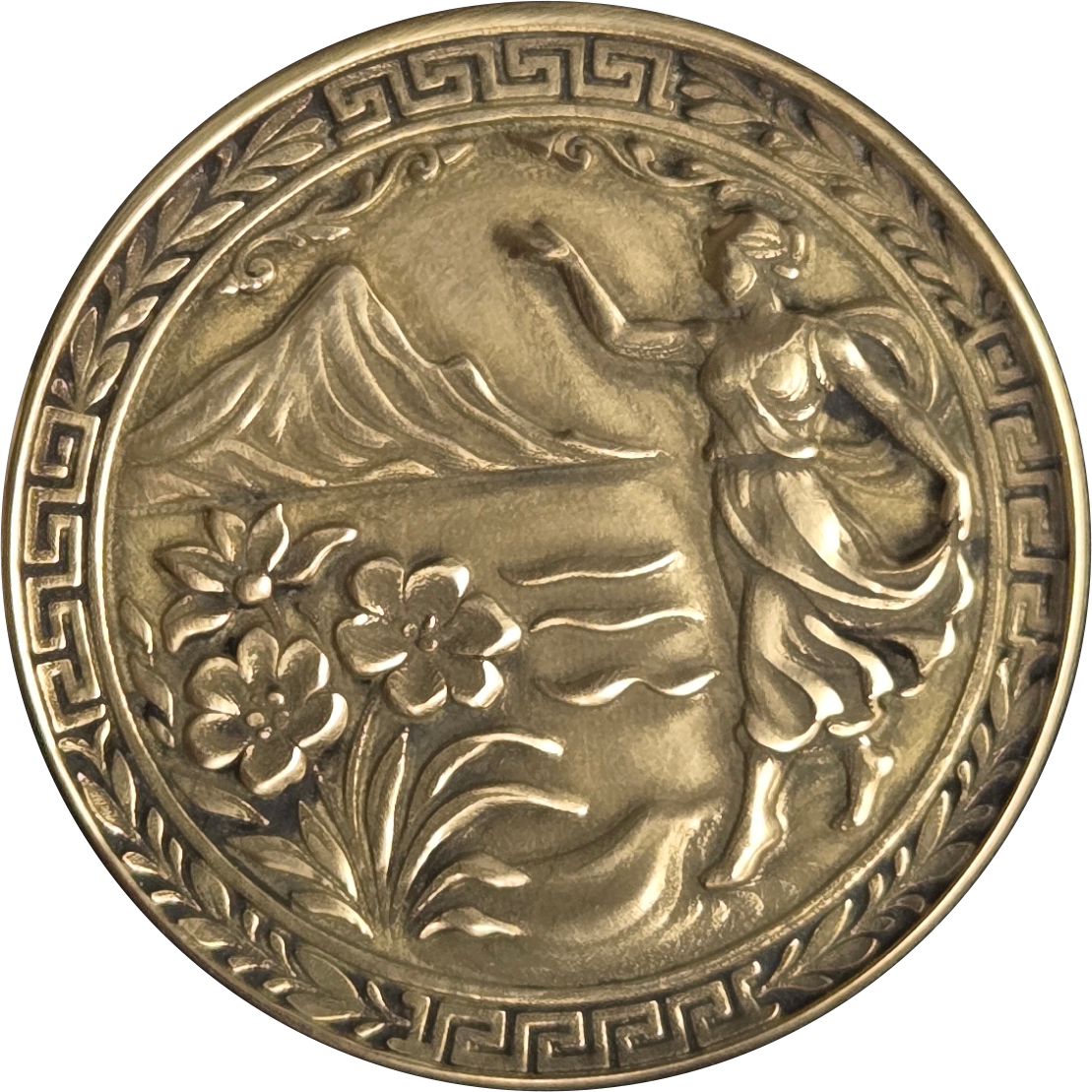
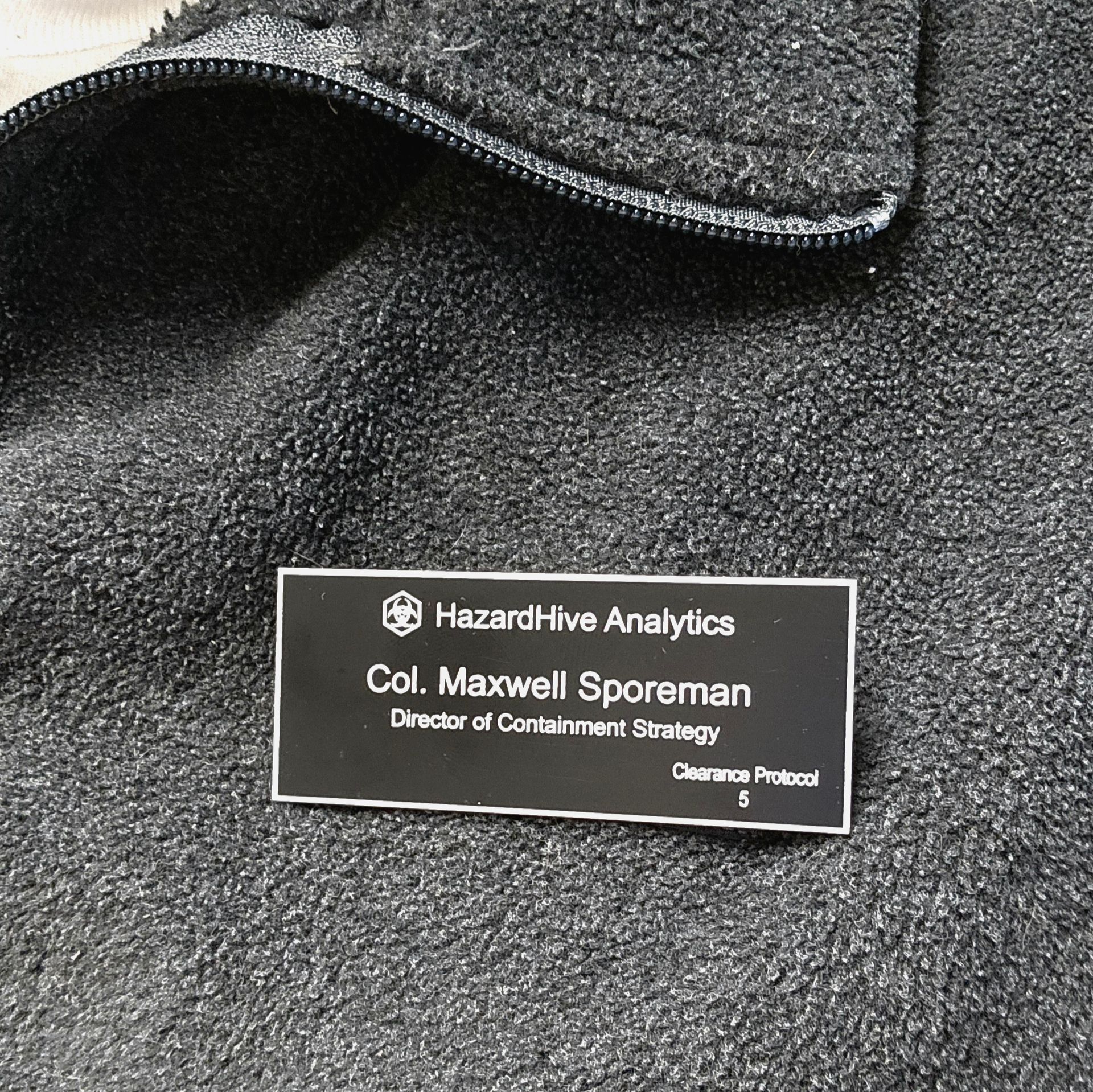
- Brass nameplates
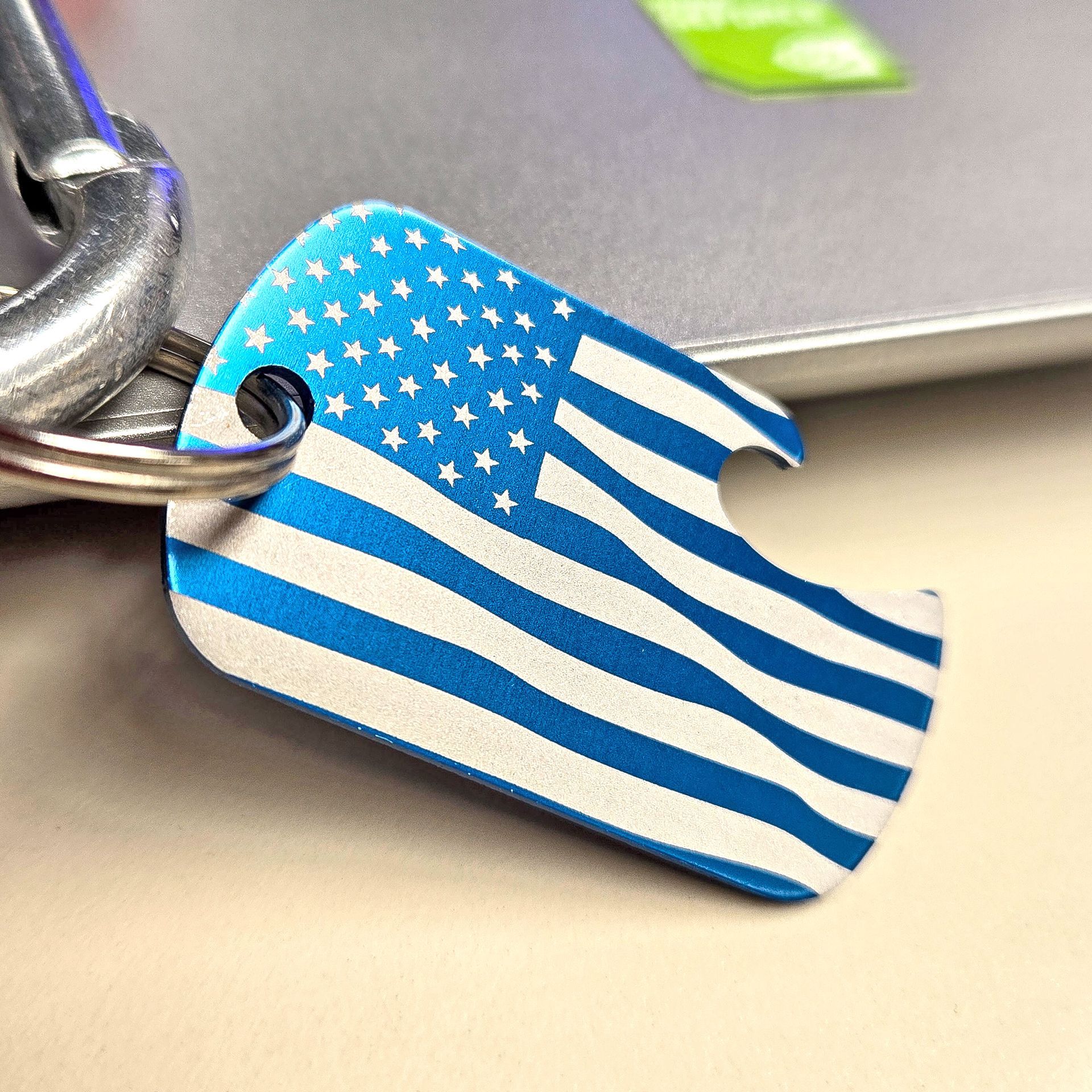
- Aluminum tags
- Serial numbers
- QR codes
- Barcodes
- Logos
- Tools
- Parts marking
- Industrial identification plates
- Promotional metal items
- Some plastics
If your work is mostly metal marking, a galvo fiber laser is usually the clear winner.
Strengths of Galvo Fiber Laser Machines
Fast Metal Marking
Fiber lasers are designed for speed. They can mark small, detailed designs quickly and repeatedly.
That makes them a strong choice for production work, especially when you need to mark the same logo, serial number, part number, or nameplate over and over.
For jobs like metal tags, brass plates, tools, and stainless parts, a fiber laser can save a lot of time.
Fine Detail
Galvo fiber lasers are excellent for crisp text, small logos, barcodes, QR codes, and detailed marks.
That matters when the finished piece needs to look clean and professional, especially on metal.
If you need tiny text that still reads clearly, this is where a fiber laser shines. It is the machine equivalent of writing with a very sharp pencil instead of a crayon.
Lower Routine Maintenance
Fiber lasers generally have fewer routine maintenance needs than CO2 gantry machines. There are no CO2 mirrors to align and no water-cooled glass laser tube system to maintain in the same way.
You still need to keep the machine clean, use safe practices, and set jobs up correctly, but for metal marking, fiber lasers are efficient and dependable tools.
Things to Consider With Galvo Fiber Lasers
The biggest limitation of a galvo fiber laser is the marking area.
A fiber laser marking field is much smaller than the bed of a CO2 gantry machine. That is fine for tags, tools, plates, parts, and small products, but it is not ideal for large signs, full sheets, or oversized pieces.
Fiber lasers are also not the right choice for cutting wood signs, acrylic shapes, leather goods, paper projects, or most organic materials.
If your work is mostly wood, acrylic, leather, glass, fabric, or larger flat materials, a CO2 gantry laser will usually serve you better.
CO2 Gantry vs. Galvo Fiber: Quick Comparison
| Feature | CO2 Gantry Laser | Galvo Fiber Laser |
|---|---|---|
| Feature | Cutting and engraving larger non-metal materials | Fast marking on metals and some plastics |
| Common Materials | Wood, acrylic, leather, glass, paper, fabric | Stainless steel, aluminum, brass, coated metals, some plastics |
| Work area | Larger bed sizes | Smaller marking field |
| Cutting ability | Strong for many non-metal materials | Mostly marking-focused |
| Metal Marking | Limited unless coated or treated | Excellent |
| Speed | Great for larger layouts and cutting | Very fast for small detailed marks |
| Maintenance | More routine care | Generally lower routine maintenance |
| Best fit | Makers, schools, sign shops, gift businesses, general shops | Metal marking shops, manufacturers, awards shops, industrial users |
Which One Should You Choose?
The right machine depends on the work you plan to do most often.
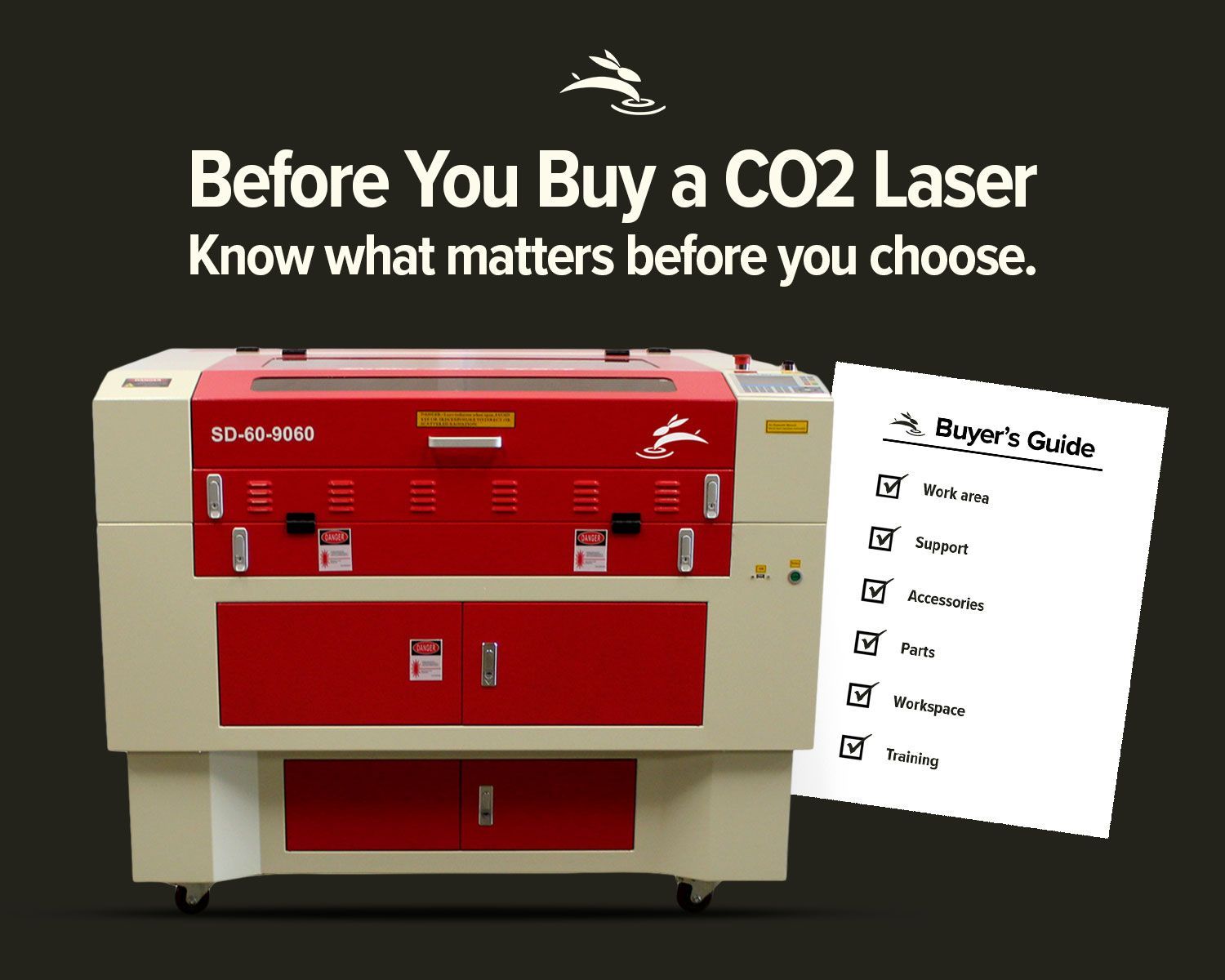
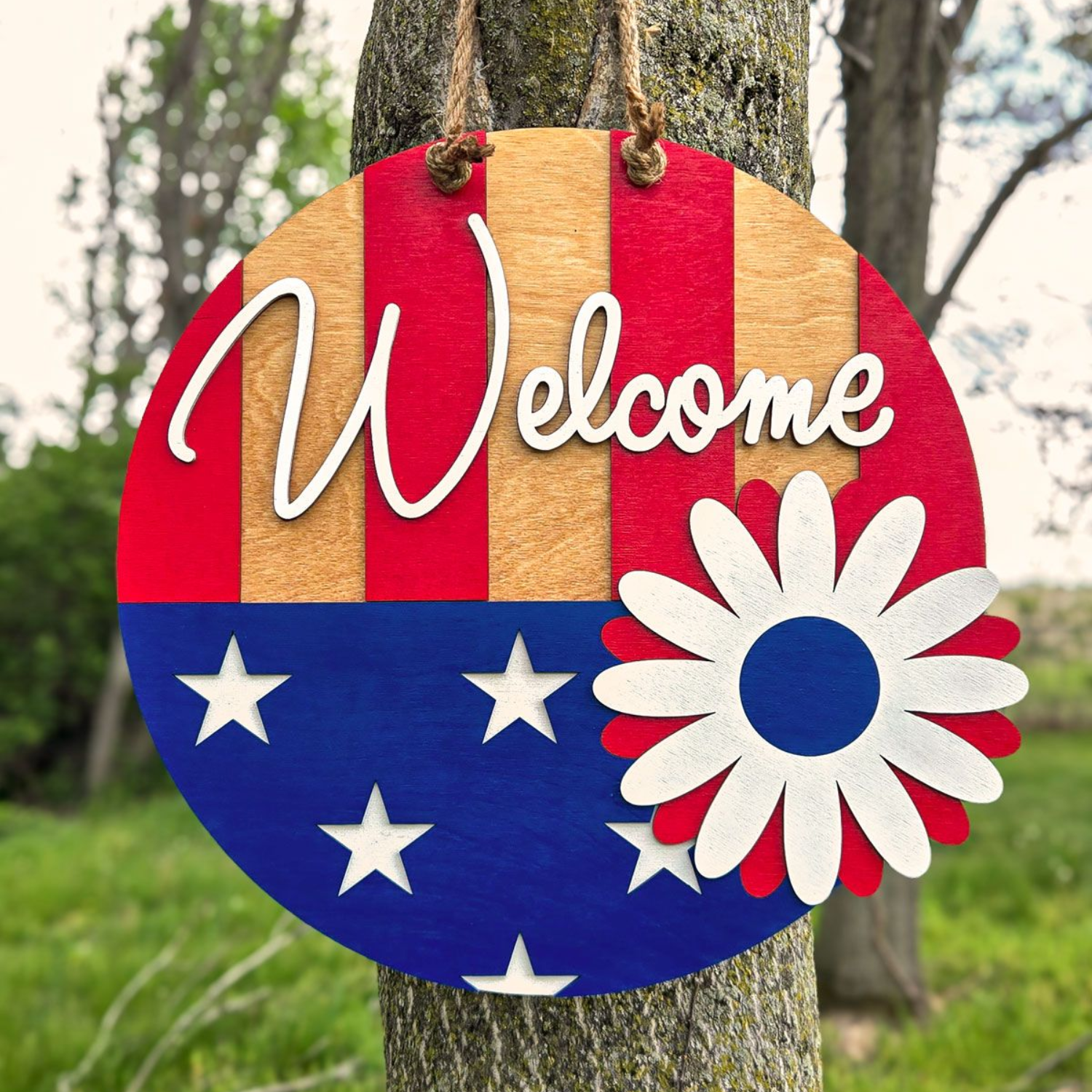
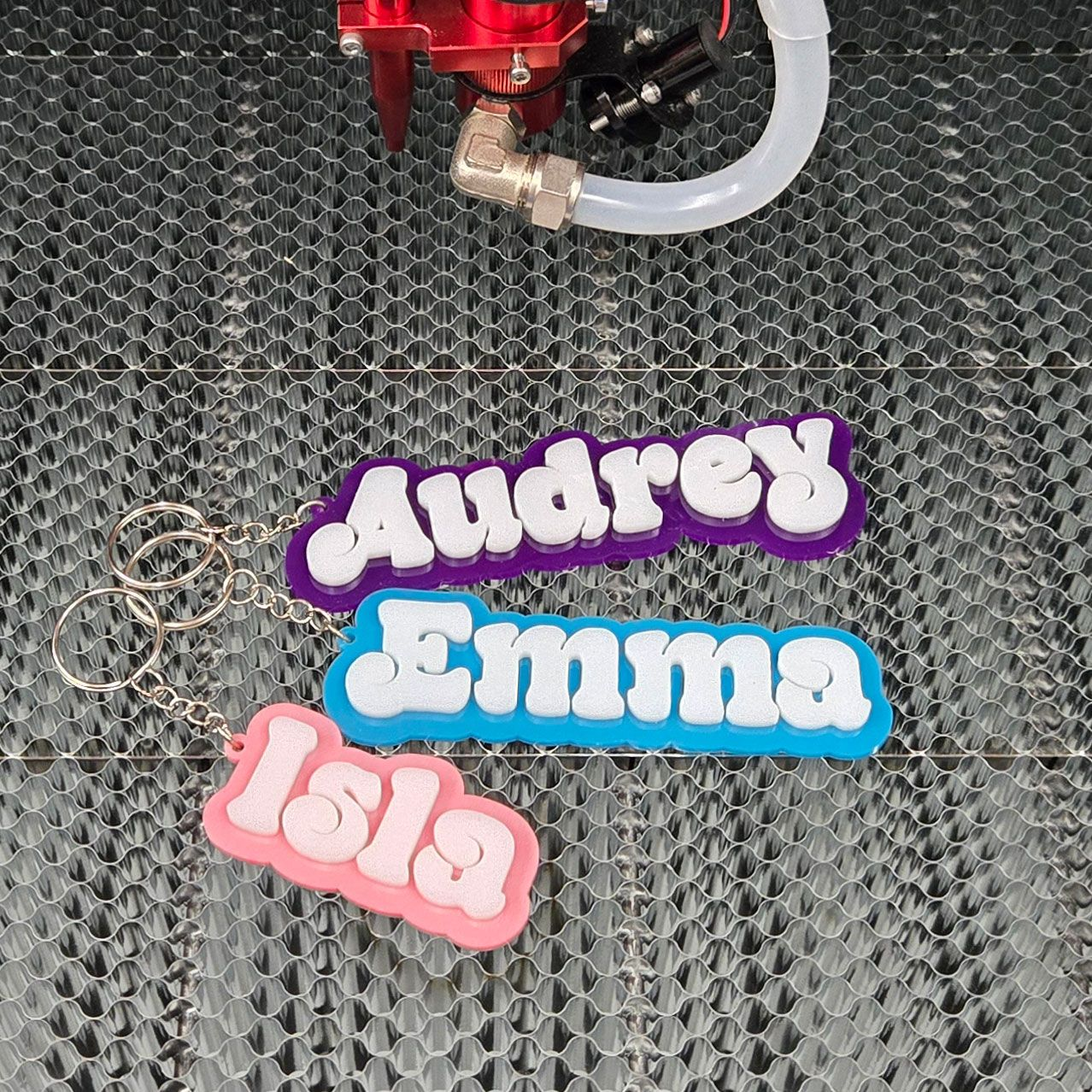
Choose a CO2 gantry laser if you want to cut or engrave materials like wood, acrylic, leather, glass, fabric, paper, or coated items. It is the better choice for signs, gifts, layered projects, classroom work, craft products, and larger layouts.
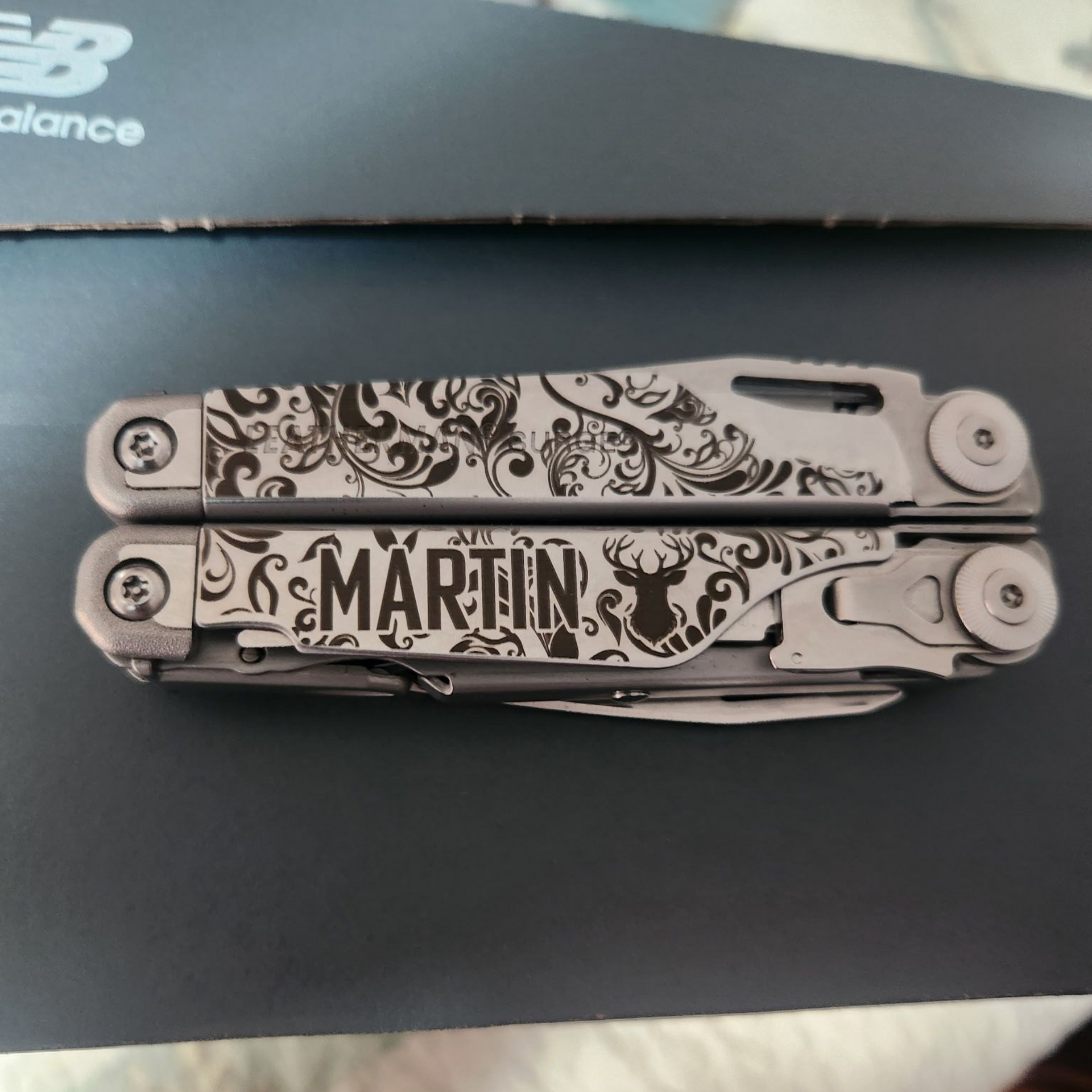
Choose a galvo fiber laser if your main goal is marking metal or some plastics with speed and fine detail. It is the better choice for nameplates, tools, parts, tags, serial numbers, QR codes, logos, and production marking.
Here is the simplest way to think about it:
If you want to cut shapes, start with CO2.
If you want to mark metal, start with fiber.
Many businesses eventually use both. A CO2 gantry laser handles larger cutting and engraving jobs, while a fiber laser handles the metal marking side. Together, they can cover a wide range of customer requests.
Real-World Examples
A custom gift business may use a CO2 gantry laser for cutting boards, ornaments, acrylic signs, leather patches, and glassware.
A manufacturing shop may use a galvo fiber laser for part numbers, barcodes, stainless tags, tools, and permanent product identification.
A school may choose a CO2 laser because students can work with wood, acrylic, cardboard, paper, and design projects across different classes.
An awards shop may use both: a CO2 machine for acrylic awards and plaques, and a fiber laser for brass plates and metal name tags.
That is why the best laser machine is not always the biggest or most powerful one. It is the one that matches your work.
Ready to Explore Your Options?
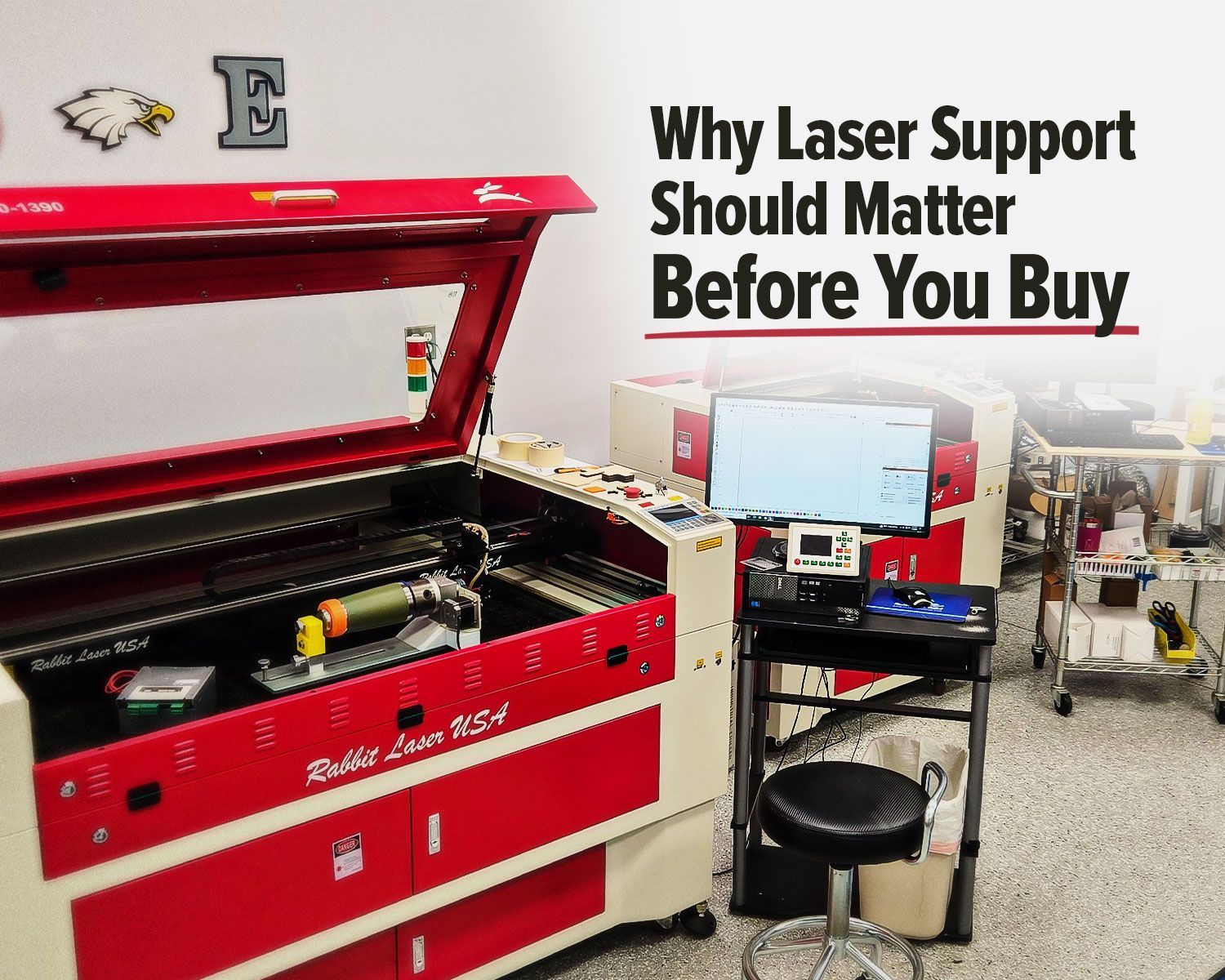
At Rabbit Laser USA, we offer both CO2 gantry laser machines and galvo fiber laser marking machines. We also help customers understand the difference before they buy, because the right machine should match your materials, your workspace, and your goals.
We are based in Middletown, Ohio, and we provide machine setup, training, parts, service, and U.S.-based support.
Whether you are starting a small business, upgrading your shop, adding production capability, or bringing laser technology into a classroom, we can help you compare your options.
A laser machine should not feel like a mystery box with a power cord. You should know what it does well, what it does not do well, and how it fits your work.
If you are choosing between a CO2 gantry laser and a galvo fiber laser, contact Rabbit Laser USA. Tell us what you want to make, and we will help point you in the right direction.
Cut. Create. Conquer.